The Most Common Pool Repairs Homeowners Face in Summer in Fort Myers, FL
When the heat, humidity, and afternoon storms roll through Southwest Florida, pools work overtime. That is when many homeowners start searching for pool repair in Fort Myers, FL. If your system is noisy, water levels drop fast, or tiles are cracking, a professional evaluation keeps small issues from shutting down your swim season. For a deeper look at what a full repair visit covers, see our pool repair services.
Why Summer Strains Fort Myers Pools
Summer here means higher water temperatures and long stretches of direct sun. UV breaks down sanitizer faster, so equipment runs longer to keep up. Heavy use in communities like McGregor, Gateway, and Whiskey Creek adds debris and body oils that load up the filter. Tropical downpours can dilute water balance and wash fine sand into skimmers and lines.
Pump Failure: The Heart of Your Circulation
The pump moves water through the filter, heater, and chlorinator. When it struggles, water turns dull and chemistry drifts. Motor bearings wear, seals leak, and impellers clog after busy weekends or stormy afternoons. Running a pump dry can destroy seals and impellers.
- Common signs: screeching or grinding noises, air bubbles returning to the pool, low return pressure
- What a pro checks: voltage and amp draw, housing and seal integrity, suction and return restrictions
In Fort Myers neighborhoods with mature trees, leaves and seed pods can overload baskets and starve the pump of water. Quick attention prevents collateral damage to heaters and salt systems.
Hidden and Obvious Pool Leaks in Fort Myers Homes
Our rainy season and sandy soils can mask leaks one day and expose them the next. Leaks may be in the shell, at the skimmer throat, around lights, or in underground lines. Pool leaks rarely fix themselves. Watch for frequent top-offs, damp spots near equipment, or stubborn air in the pump lid after priming.
Older pools along McGregor and Iona can develop movement at the deck-to-pool joint. Newer builds in Gateway might show settling at equipment pads after strong storms. A licensed technician pressure-tests lines, isolates structures, and recommends a targeted repair plan so you do not waste time chasing symptoms.
Cracked or Popping Tiles Around the Waterline
Tiles crack when the bond weakens, the beam shifts, or expansion and contraction stress the grout. Sun, warm water, and afternoon cloudbursts speed up the wear. Beyond appearance, loose pieces can cut feet and let water creep behind finishes. Cracked tiles are a safety risk and a pathway for bigger leaks.
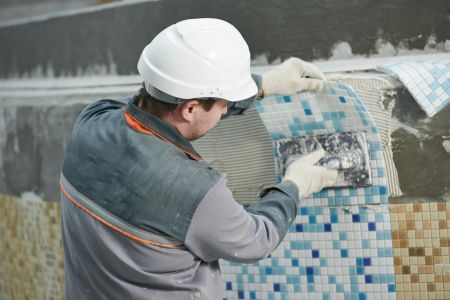
Repair often includes removing delaminated tile, cleaning the substrate, resetting with proper adhesive, and matching grout. Where cracking repeats, a pro checks expansion joints and the coping-to-beam interface so the fix lasts through future heat waves.
Filtration Problems After Heavy Use and Storms
Filters face their toughest days in June through September. Sand filters can channel, cartridge media can clog with sunscreen and pollen, and DE systems can cake after multiple storms. You may notice high pressure, cloudy water, or rapid swings in chemistry even with routine service.
Technicians evaluate pressure differentials, inspect laterals or manifolds, and service valves that stick after heat exposure. In some cases, replacing aged cartridges or laterals restores clarity faster than repeated cleanings. This keeps circulation efficient so chemicals work the way they should.
After-Storm Debris That Chokes Equipment
Afternoon gusts move palm fronds, grass clippings, and fine grit straight into skimmers and lines. Storm debris can choke equipment and leave pumps cavitating or overheated. Screen enclosures help, but strong cells can push pine needles and oak catkins through mesh.
A professional clears lines with the right tools, inspects check valves, and verifies that automation resumes proper runtimes. This limits stress on motors and protects heaters and salt cells from flow errors.
How to Prioritize Repairs So You Can Keep Swimming
When several issues show up at once, order matters. A short, smart plan protects the structure and keeps water safe while you wait for parts or a scheduled visit.
- Fix anything that can injure swimmers first, like loose tiles or sharp edges
- Stop active leaks that pull in air or erode soil around the shell
- Restore circulation and filtration so water stays clear and balanced
- Then handle cosmetics and small noise complaints
Electrical or structural concerns should always be handled by a qualified pro. That keeps your warranty options open and prevents secondary damage from trial-and-error fixes.
Local Conditions That Make Repairs Urgent
Fort Myers sits in a hot, humid coastal zone. Warm water speeds algae growth, which loads filters and stresses pumps. Afternoon storms bring fine sand and mulch into skimmers from landscaping in areas like Villas, Cypress Lake, and Whiskey Creek. Vacation turnover in short-term rental pockets can spike bather load on weekends, which means equipment has little downtime to catch up.
Tile bands facing full sun fade faster. Deck movement from saturated soils after a rainy stretch can widen grout gaps. Those local factors explain why the same pool may be fine in spring but struggle in July and August.
What a Professional Repair Visit Includes
A thorough visit is more than a quick patch. It starts with a discussion of what you have noticed, then a step-by-step inspection. From pump tests to pressure checks, the goal is to find root causes, not just symptoms.
When you schedule pool repair services, your technician can assess circulation, look for leaks around fittings, evaluate tile integrity, and verify filter performance under summer load. If something needs a follow-up visit, you get a clear plan so you know what comes next.
Why Choose Deep End Pool Service for Pool Repair in Fort Myers
Our team works on the issues Fort Myers homeowners see most in summer: pump failures, hidden and structural leaks, cracked waterline tiles, and filters stressed by heat and storms. We understand how local weather and soils affect your pool’s systems. For homeowners who want a reliable partner through the season, start with pool repair in Fort Myers, FL and a trusted local crew that stands behind the work.
Keep Your Pool Ready for Summer Fun
Clear water and safe surfaces matter when friends and family want to swim. If your pump is whining, tiles are separating, or the filter will not keep up after a storm, call Deep End Pool Service at 239-699-6279. We will get you scheduled quickly and restore your pool with care, precision, and local know-how.
When you are ready to move forward, reach out and we will take it from there. A few professional repairs today can save a season’s worth of headaches tomorrow.
Get Your Pool To Perfection
Call Now For Fast And Reliable Pool Services In Fort Myers!